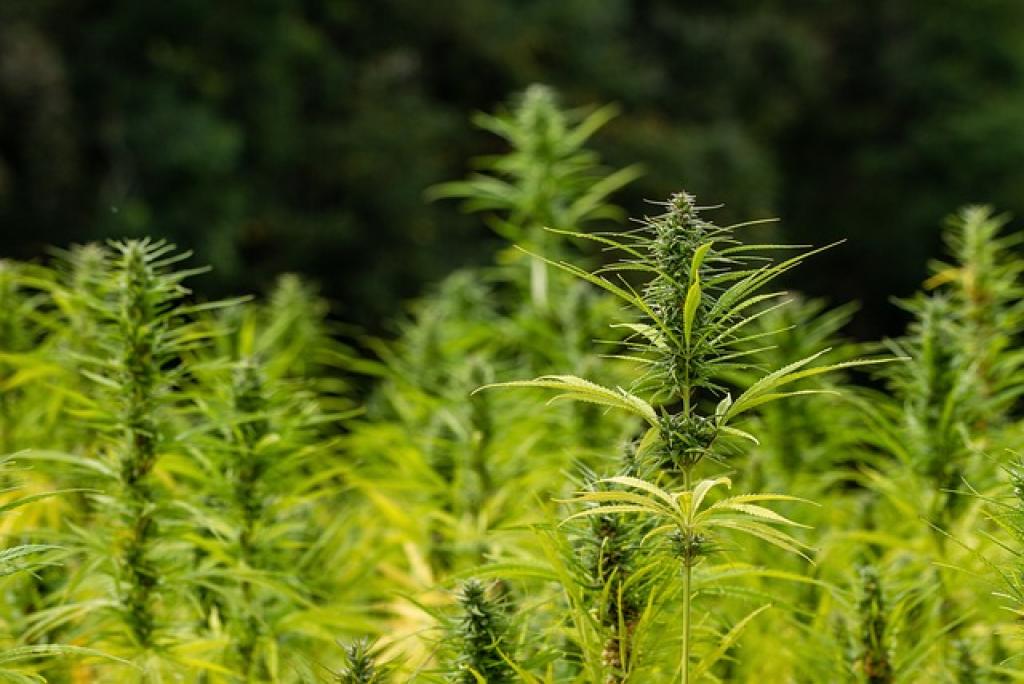
Imagine a world where building homes is not only cheap but also environmentally friendly. Hemp, a plant often associated with textiles and CBD oil, is becoming a game-changer in the world of affordable housing. Unlike traditional building materials, hemp is highly sustainable and has a much lower carbon footprint. In many parts of the world, low-cost housing is urgently needed. The rising costs of construction materials have made it difficult to provide affordable living spaces to those who need it the most. This is where hemp steps in as a hero, offering an alternative that is both budget-friendly and eco-friendly. From its rapid growth cycle to its natural insulating properties,…
-
-
Hemp and Permaculture: A Perfect Match
When you think of sustainable living, what comes to mind? Perhaps rolling hills covered in vibrant crops thriving under the sun, or maybe a peaceful farm buzzing with life and harmonious activity. These images are not too far off from what hemp and permaculture embody. In this blog post, we’ll delve into why hemp and permaculture are a match made in sustainable living heaven. What is Hemp? First things first, let’s talk about hemp. Hemp is a versatile plant that has been used for centuries for various purposes. From textiles to food to construction material, hemp is a renewable resource with a multitude of applications. Unlike its cousin marijuana, hemp…
-
Hemp in Urban Agriculture: A Sustainable Solution for Urban Farming
In recent years, urban agriculture has gained significant traction as a sustainable solution to food production in cities. As the world’s population continues to grow, the demand for fresh produce closer to urban centers has driven the need for innovative farming methods. One such method that has been making waves in the agricultural world is the cultivation of hemp in urban environments. The Rise of Urban Agriculture Urban agriculture involves growing, processing, and distributing food within urban areas. This practice not only reduces the carbon footprint associated with transportation but also promotes community engagement and food security. Rooftop gardens, vertical farms, and hydroponic systems are just a few examples of…